Car Key Replacement by Vehicle Brand: What the Process Actually Involves
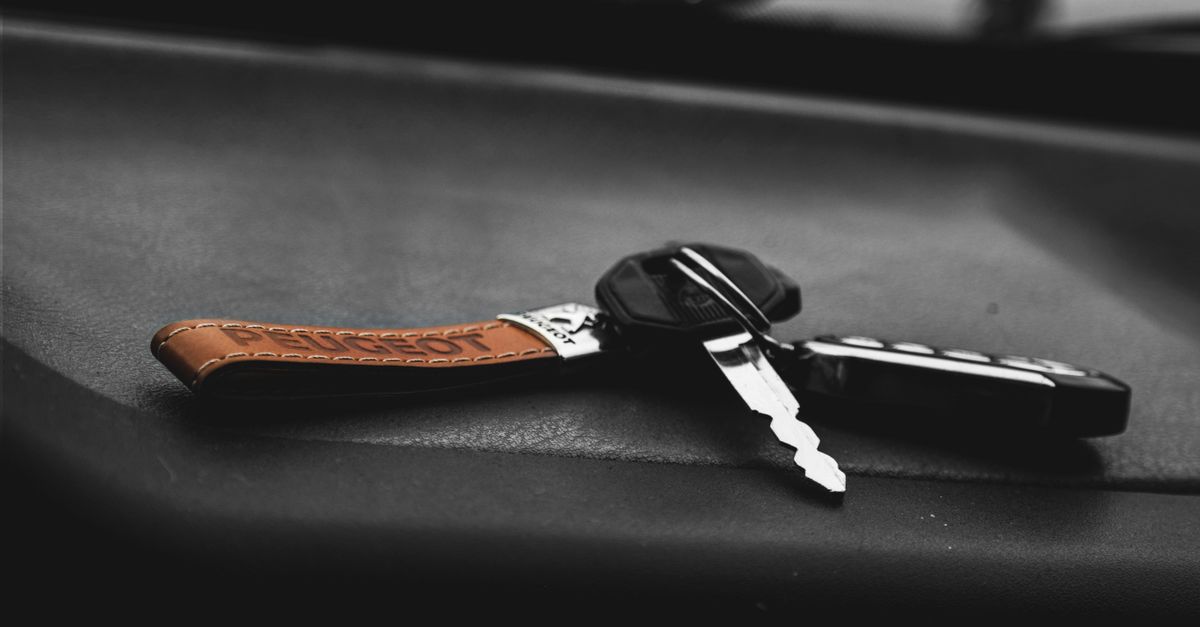
Modern vehicles are far more complex than the simple metal-cut keys of decades past. When you request car key replacement for a Toyota, Honda, Ford, Chevrolet, BMW, Mercedes-Benz, Audi, Hyundai, Kia, or virtually any other make on the road today, the process involves two distinct steps that must both be executed correctly. First, a physical key blank is selected to match your vehicle's ignition and door cylinder profile, then it is precision-cut using computer-aided equipment to match the original bitting pattern — obtained either from the vehicle's VIN or directly from the lock cylinder. Second, if your vehicle uses a transponder chip, a proximity fob, or a push-button start system, the new key must be electronically paired to the car's immobilizer. Skip that second step and the engine simply will not start, even with a perfectly cut key.
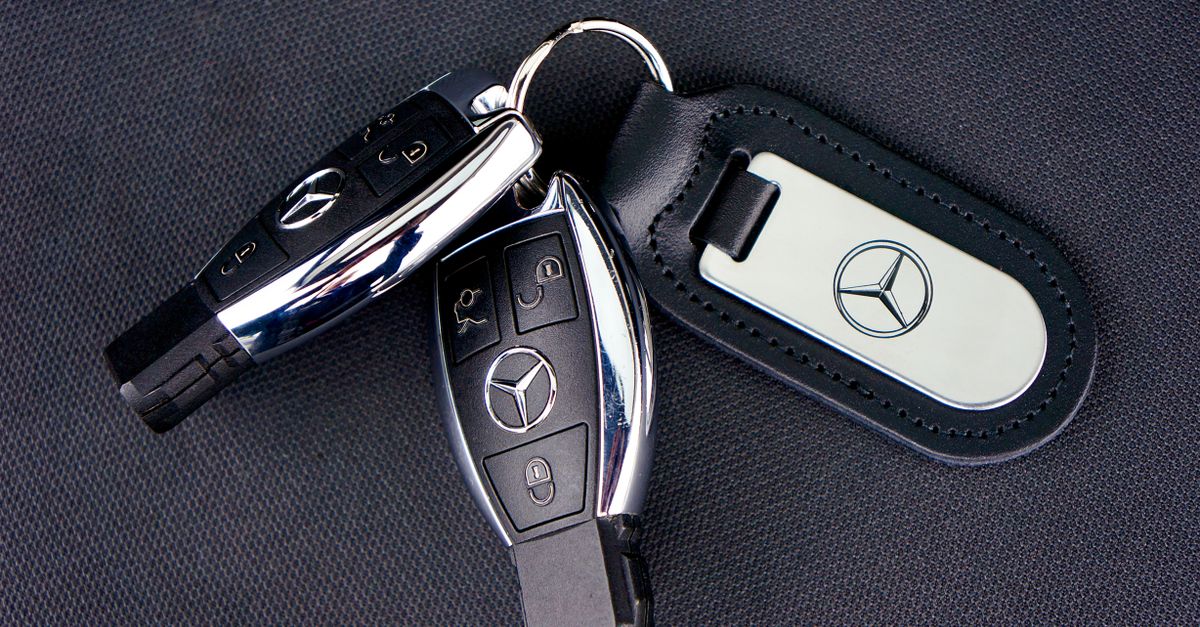
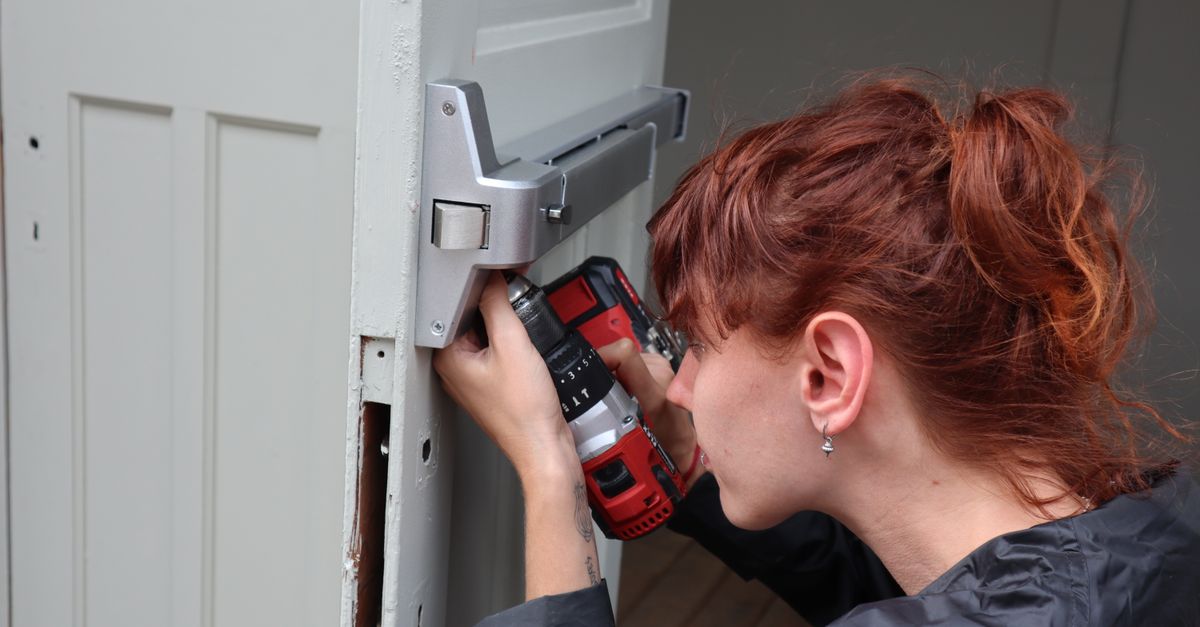
Here is how that breaks down by common technology type. Basic metal keys with no chip — found on older domestic vehicles and some entry-level economy cars — require only accurate cutting. Transponder keys, standard across most vehicles built after the mid-1990s, contain a small RFID chip that must be programmed to communicate with your car's ECU. Laser-cut or 'sidewinder' keys, common on German and Japanese luxury models, require specialized cutting equipment not found at most hardware kiosks. Proximity fobs and smart keys used in push-to-start vehicles like late-model Lexus, Cadillac, and Land Rover models involve both a mechanical key blade and a wireless module that must be synced to the vehicle's body control module. Our technicians arrive equipped to handle all of these categories, verifying ownership before any work proceeds.