Great Neck Locksmith Service Team
Local locksmith team
May 21, 2026 12 min read
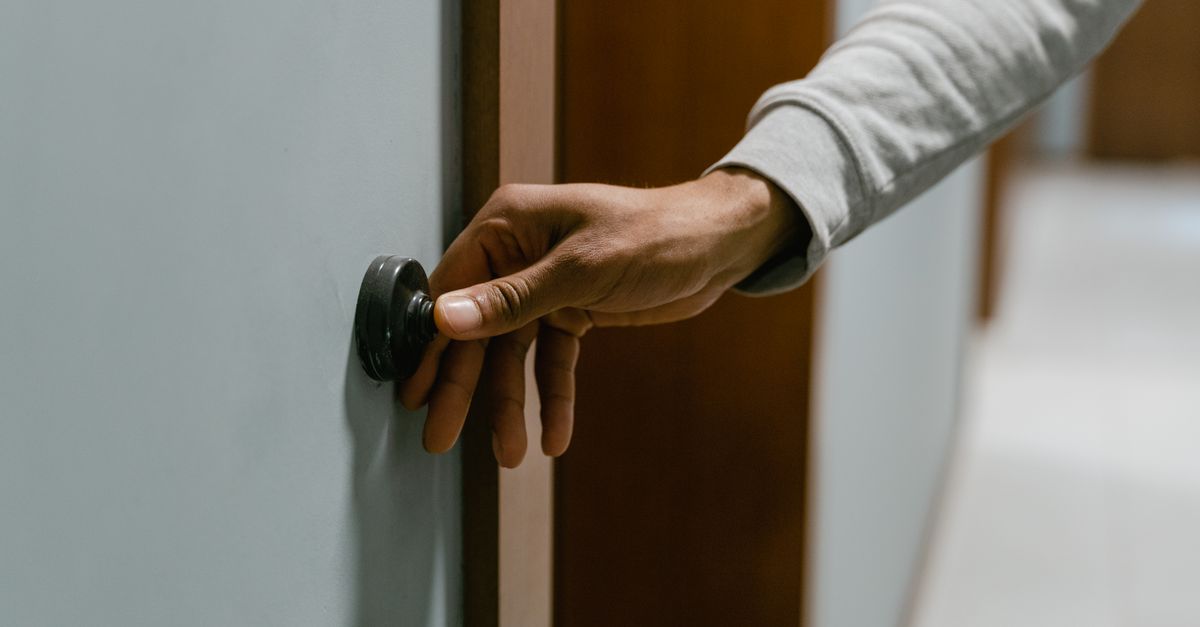
Your front door is the first and last line of defense between your home and the outside world — and most homeowners in Great Neck never think about their locks until something goes wrong. The trouble is, a failing lock rarely announces itself dramatically. It tends to send quiet, easy-to-dismiss warning signals for weeks or even months before it finally lets you down at the worst possible moment — maybe on a cold night after returning home to Middle Neck Road, or when you're rushing out early and the deadbolt simply won't turn.
This guide is designed to help you spot the difference between a minor annoyance and a genuine security failure. Whether you have a traditional deadbolt, a door knob lock, or an older mortise lock on a historic Great Neck home, knowing what to look for can save you from a lockout, a break-in, or a costly emergency call. We'll walk through five specific signs your lock is telling you it needs professional attention — and explain what a skilled locksmith can realistically do about each one.
## Sign 1: The Lock Feels Stiff, Grinds, or Requires Unusual Force
If you find yourself shouldering the door, jiggling the key, or twisting the knob lock harder than you used to, the internal mechanism is almost certainly worn. Deadbolts and knob locks both use a series of spring-loaded pins and rotating cylinders that gradually wear down with daily use. When the tolerances shift, the key no longer aligns cleanly with the pins, and you end up forcing the rotation rather than guiding it. In a mortise lock — the rectangular, multi-component lock commonly found in older Great Neck homes and commercial storefronts along Middle Neck Road — worn internal gears and a sagging case can produce the same grinding resistance. Left alone, a stiff mortise lock doesn't just become an inconvenience; the cylinder can seize entirely, or the key can snap off inside it.
The practical test: try operating the lock with the door open. If it moves freely without the door's weight and pressure on the latch bolt, the door frame or strike plate alignment may be the culprit rather than the lock body itself. A professional locksmith can diagnose the difference in minutes. If the lock grinds even with the door open, the internal components need either a thorough service or full door lock installation of a replacement unit. Either way, this is not a sign to ignore.
## Sign 2: Visible Damage, Rust, or a Loose Lock Body — Including Sliding Door Lock Concerns
Physical deterioration is the most straightforward sign, yet homeowners routinely underestimate it. Surface rust on a deadbolt faceplate may look cosmetic, but oxidation works inward and causes the bolt mechanism to bind unpredictably. A lock body that wobbles when you push or pull it — whether that's a knob lock on a bedroom door or a multi-point mortise lock on a solid wood entry door — means the mounting screws have stripped, the door material has softened, or the lock's housing itself has cracked. None of these conditions improve on their own.
Sliding door lock replacement deserves its own mention here because patio and sliding glass doors are among the most frequently overlooked entry points in Great Neck homes. The hook-style or loop-style latches on sliding doors can degrade significantly through repeated use and exposure to moisture, sometimes to the point where the door can be lifted or jostled open from outside even when 'locked.' If your sliding glass door lock feels loose, rattles, or no longer seats firmly in the frame track, sliding door lock replacement should move to the top of your to-do list — not the bottom. Our team handles sliding door lock replacement as part of our standard residential service, and we carry common replacement hardware on the truck so the job can usually be completed in a single visit.
## Sign 3: The Key Turns But the Bolt Doesn't Move — A Mortise Lock and Deadbolt Red Flag
This one is particularly unsettling: you insert the key, it rotates, but the bolt either doesn't extend fully or snaps back the moment you release pressure on the key. In a standard deadbolt this usually points to a broken cam, a stripped tailpiece, or a spring failure inside the cylinder. In a mortise lock the issue is often a broken lever hub, a worn case spring, or a disconnected linkage between the cylinder and the bolt mechanism. Mortise locks are more mechanically complex than rim-mounted deadbolts, which means more components that can fail independently — but it also means that an experienced locksmith can often repair rather than fully replace the unit, preserving the original door hardware that many Great Neck homeowners value on their older properties.
If you are reaching this point with a keypad or smart lock, a similar symptom — the code accepts but the bolt doesn't move — usually means a dying battery, a stripped motor gear, or a firmware fault rather than a purely mechanical failure. Before calling for service, try replacing the batteries entirely. If the problem persists, or if you simply want to know how to change code on keypad door lock models you've inherited when moving into a new home, a qualified locksmith can reset, reprogram, or replace the unit depending on the brand and condition. Knowing how to change door lock code settings on a keypad is also valuable security hygiene any time a tenant moves out or a contractor has had access — and a locksmith can walk you through the process or handle it entirely.
## Sign 4: You've Had an Unauthorized Key Made, a Break-In Attempt, or a Recent Move — Time to Change Door Lock Hardware
Security events — even suspected ones — are the clearest possible signal that it's time to change door lock hardware rather than simply repair what's there. If a key was copied without your knowledge, rekeying the cylinder is a fast and cost-effective option that renders all existing keys useless without requiring full door lock installation. If there has been a forced entry attempt, however, the lock body, strike plate, and surrounding door frame should all be inspected for stress fractures before rekeying is considered, because a compromised frame defeats even a brand-new deadbolt.
Moving into a new home anywhere in Great Neck — whether you're on the Village side near the train station or further out toward Kings Point — is another situation where changing door lock hardware is simply sound practice. You have no way of knowing how many copies of the original keys exist. The same logic applies to rental properties after a tenancy ends. When our team handles a change door lock call, we assess whether rekeying serves your needs or whether a full replacement with upgraded hardware is the more practical long-term choice. We'll always explain the reasoning clearly and confirm the exact scope of work before anything is touched. If you'd like peace of mind sooner rather than later, call us at (516) 212-1091 — we answer around the clock.
## Sign 5: The Lock Passes the Eye Test but Fails When It Counts — Intermittent Failures Are the Most Dangerous
Intermittent lock failure is the warning sign most likely to be dismissed as a fluke — and the most likely to strand you. The lock works fine nine times out of ten, so you tell yourself it just needs lubrication or a slight adjustment and keep putting it off. The tenth time, it fails completely, often during rain, extreme cold, or when you're already under stress. Temperature swings that are common on Long Island through late fall and winter cause metal components to expand and contract, and a lock that's borderline in summer can become completely inoperable by January.
Intermittent failure in a mortise lock is particularly worth taking seriously. Because the mortise lock case sits inside the door rather than mounted on the surface, diagnosing the exact failed component without dismantling the unit requires hands-on experience. An intermittent issue might be a worn follower, a fatigued spring, or a case that has slowly shifted out of alignment as the door has settled. Our locksmiths are trained to inspect and service mortise lock hardware thoroughly, not just spray lubricant and call it done. Whether the final answer is a targeted repair, a full door lock installation, or a recommendation to upgrade to a more current security standard, you will know exactly what the work involves and why before we begin. For urgent situations at any hour, call (516) 212-1091.
## What a Professional Locksmith Great Neck Can Actually Do For You
Understanding what a locksmith does beyond emergency lockouts is useful context for every homeowner. Our services span a wide range of residential, commercial, and automotive needs, including: deadbolt installation and replacement, door knob lock repair and replacement, mortise lock service and repair, mortise lock installation in period and custom doors, sliding door lock replacement, keypad and smart lock programming and replacement, rekeying single cylinders and entire homes, high-security cylinder upgrades (Schlage, Kwikset, and comparable hardware), master key system design for multi-unit residential buildings, strike plate reinforcement and door frame repair, key duplication for standard and restricted keyways, transponder key cutting and programming, car key replacement and fob programming, ignition repair and replacement, automotive lockout response, commercial door lock installation for offices and retail spaces along Northern Boulevard and the surrounding Great Neck business district, access control hardware installation, panic bar and exit device servicing, safe opening and combination changes, padlock replacement, mailbox lock replacement, garage side-door lock installation, window lock inspection and replacement, broken key extraction, and 24-hour emergency locksmith response throughout the Great Neck area.
The factors that shape the final price on any of these services include the type and brand of lock involved, the complexity of the door or vehicle, the time of day the call comes in, travel distance, and any parts or hardware required. We confirm an exact up-front price before a single tool comes out of the bag — no surprises after the work is complete. Our team is insured and experienced across all the service categories above, and we bring that same care whether the call is a simple knob lock swap or a full mortise lock rebuild on a hundred-year-old Great Neck Village home.
## When It's an Emergency: What to Do Before We Arrive
If you're locked out or have just discovered a damaged lock late at night, do the following before anything else: check all secondary entry points — back doors, garage entries, and windows you know to be accessible from the inside. If you have a spare key with a trusted neighbor or family member nearby, that's always the fastest path back inside. Do not attempt to force a lock or door frame; beyond the obvious risk of injury, damaged frames and stripped lock bodies can significantly complicate a subsequent locksmith visit and increase the scope of repair needed.
Once you've determined that professional help is the right next step, call (516) 212-1091. We operate 24 hours a day, seven days a week, throughout Great Neck and the surrounding North Shore communities. We'll confirm your address, give you an honest timeline, and dispatch a trained locksmith who arrives ready to handle the situation — not just evaluate it. Ownership verification is a standard part of our process for any lockout call, and we ask for it to protect you and your property just as much as to protect our own professional standards.
Frequently asked questions
How much does the average locksmith charge for a lock repair or replacement?+
The cost of any locksmith service depends on several factors rather than a single flat rate: the type of lock involved (a standard knob lock costs less to replace than a full mortise lock assembly), the time of day or night the service is performed, how far the technician travels to reach you, and whether specialty hardware or parts need to be sourced. Emergency calls after hours typically carry a different rate than scheduled daytime appointments. At Great Neck Locksmith, we provide an exact, confirmed price before any work begins — so what you're quoted is what you pay, regardless of how long the job takes.
Is Great Neck, NY considered a high-security area for locksmiths?+
Great Neck is one of the more established and sought-after communities on Long Island's North Shore, with a mix of historic Village-area homes, newer construction near the Parkway, and upscale residential streets throughout Kings Point and Saddle Rock. That combination of property value and architectural variety means locksmith calls in the area frequently involve older mortise lock hardware, higher-end deadbolt systems, and multi-point locking mechanisms that require real hands-on experience to service correctly. Our team works throughout the Great Neck area regularly and is familiar with the specific door types, hardware generations, and security expectations common to the neighborhood.
Are there locks that a locksmith cannot open?+
A skilled, experienced locksmith can open the vast majority of residential and commercial locks through legitimate, non-destructive methods. However, certain high-security locks designed with anti-pick, anti-drill, and anti-bypass features — such as those with sidebar cylinders or hardened steel inserts — are engineered specifically to resist standard opening techniques, and may require drilling as a last resort, which means the lock is destroyed in the process. Certain biometric and network-dependent smart locks may also require manufacturer-side support if the firmware is corrupted or the device is in a fault state. In those cases, we'll always explain the options and their trade-offs clearly before proceeding.
What should I do if I need to change the code on my keypad door lock after moving into a new home?+
Resetting or reprogramming a keypad lock after a move is one of the smartest security steps a new homeowner can take. The process varies depending on the brand and model — most manufacturers provide a reset sequence in the manual, often involving a combination of holding the programming button and entering a master code. If you don't have the original documentation, or if the previous owner's master code is unknown, a qualified locksmith can often perform a full factory reset and set up a new administrator code for you. This is a straightforward service that takes far less time than a full door lock installation and is well worth scheduling in the first week of moving in.