Great Neck Locksmith Service Team
Local locksmith team
Jul 30, 2026 14 min read
Most people think of a locksmith only when they're standing on their front stoop in the rain, keys nowhere in sight. That moment is real — and we handle it every day across Great Neck, from the quiet side streets off Middle Neck Road to the busy corridors near the LIRR station — but it barely scratches the surface of what a skilled locksmith actually does. The full scope of the work spans home security upgrades, commercial access control, and a surprisingly wide range of automotive needs, all handled by trained professionals who show up to your location fully equipped.
This article walks through the complete picture: what a locksmith does on a typical day, why the work matters beyond emergencies, and how to know when calling one is the right move. Whether you own a home in Kings Point, manage a retail space on Middle Neck Road, or just locked your keys in your car at the Great Neck train station, understanding these services helps you make faster, smarter decisions when you need them most.
## What Does a Locksmith Do? The Full Range of Services Explained
A locksmith's work falls into three broad categories — residential, commercial, and automotive — but within each one, the variety of tasks is far wider than most people expect. On any given day, a mobile locksmith Great Neck team might rekey a set of house locks after a tenant moves out, install a high-security mortise lock on a commercial front door, extract a broken key from an ignition, program a new transponder key for a late-model vehicle, and respond to a middle-of-the-night lockout call — all before sunrise. The thread connecting every one of those jobs is the same: using specialized knowledge of lock mechanisms and security hardware to help people access, protect, and control their spaces safely.
Here is a consolidated look at the distinct services a qualified locksmith provides: residential lockout response, commercial lockout response, automotive lockout response, lock rekeying, deadbolt installation, mortise lock installation and repair, door knob lock replacement, smart lock and keypad lock installation, master key system design, high-security lock upgrades, padlock opening and replacement, mailbox lock service, garage door lock service, file cabinet and desk lock service, window lock installation, sliding door lock installation, access control system installation, intercom and keypad entry setup, broken key extraction, key duplication, laser-cut and high-security key cutting, transponder key programming, car key fob replacement and programming, ignition switch repair and replacement, and safe opening and combination changes. That is a working toolkit built for the real problems homeowners, business owners, and drivers face.
## Residential Locksmith: Protecting the Home Beyond the Deadbolt
For homeowners, the most common call is a lockout — but experienced residential locksmiths spend far more time on proactive security work than on emergencies. One of the most requested residential services is rekeying, and it comes up constantly after a move, a breakup, or a lost key. So what does it mean to rekey a lock? Rekeying means a locksmith disassembles your existing lock cylinder and replaces the internal pins with a new set, so the old key no longer works and a new key is cut to match. The lock hardware stays in place; only the internal configuration changes. To rekey a lock is not the same as replacing the lock, and in many situations it is the more practical and cost-effective solution because the existing hardware is still in good condition.
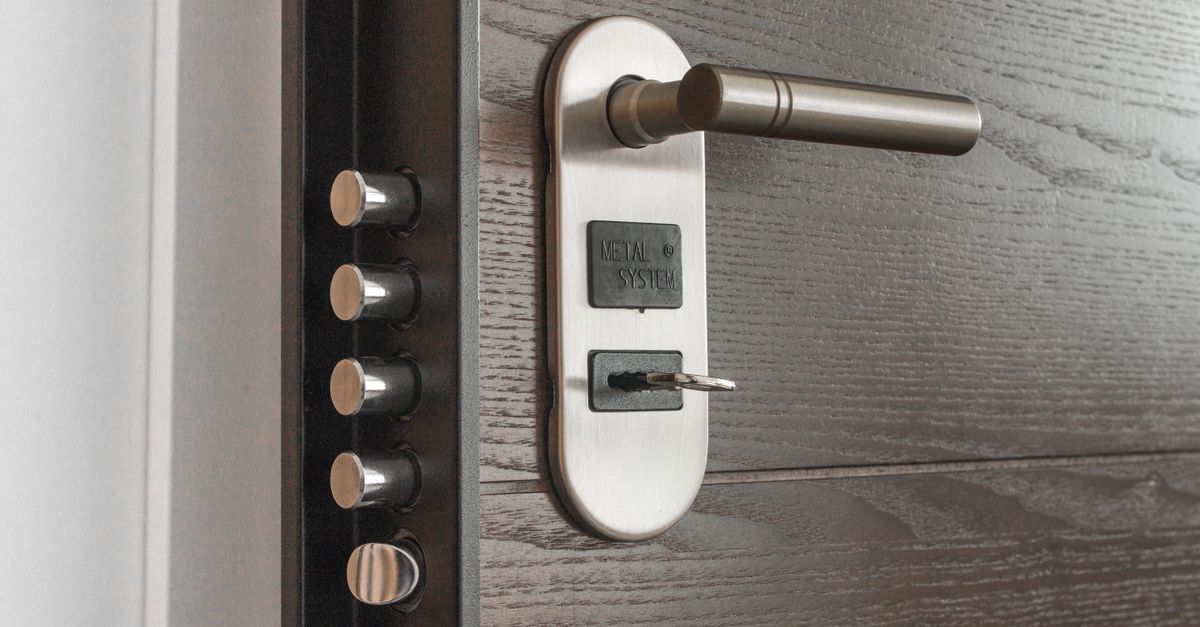
Beyond rekeying, residential locksmiths handle full lock replacements when hardware is worn, damaged, or simply not up to modern security standards. Can a locksmith install a deadbolt? Absolutely — and it is one of the most common residential upgrade requests we receive. A properly installed Grade 1 deadbolt with a reinforced strike plate is one of the highest-impact improvements a homeowner can make to door security. We also install and service mortise locks, which are a step up from standard cylindrical locks and common on older Great Neck homes with thick wooden doors. Understanding how a mortise lock works helps explain why they are so secure: the lock body is set into a deep rectangular pocket cut into the door edge rather than sitting on the surface, and the mechanism includes a latch bolt, deadbolt, and sometimes a privacy function all in one integrated unit. That embedded design makes the lock significantly harder to force than a standard cylindrical lock. We install, repair, and rekey mortise locks across all residential door types.
## Commercial Locksmith: Access Control and the Mortise Lock at the Core
Commercial security demands are different from residential ones in almost every dimension. A business deals with multiple keyholders, higher foot traffic, greater liability, and often a mix of door types — glass storefronts, heavy steel fire doors, interior office doors — each with different hardware requirements. This is where the mortise lock becomes especially central. Commercial-grade mortise locks are the industry standard for exterior business doors precisely because of how a mortise lock works: the body is recessed into the door, connecting a latch, deadbolt, and cylinder into a single robust unit that resists both physical attack and picking far better than a surface-mounted rim lock or standard knob-and-deadbolt combo. We install, rekey, and repair commercial mortise locks for offices, retail spaces, and multi-tenant buildings throughout the Great Neck area.
Commercial locksmith work also includes master key systems, which allow a business owner or property manager to carry a single key that opens every lock in a building while employees carry keys that only open specific doors. We design and install these systems from scratch or expand existing ones. For businesses that need to track who enters and when, we install keypad entry systems and access control hardware that replaces physical keys entirely. When a staff member leaves a company, rekeying or reprogramming the relevant locks immediately is critical — and we can respond the same day. If your business is in a busy commercial stretch and you need help fast, call us at (516) 212-1091 and we will dispatch a trained technician to your location, confirm an exact price before any work begins, and get your security sorted without interrupting your operation longer than necessary.
## Automotive Locksmith: Keys, Ignitions, and Getting Back on the Road
Automotive locksmith work has become significantly more technical over the past two decades. Modern vehicles use transponder keys, smart key fobs, and push-button ignitions that require specialized programming equipment — not just a key blank and a cutter. A qualified automotive locksmith can handle car lockouts without damaging the door or window, extract keys broken inside locks or ignitions, replace lost or damaged transponder keys, program new key fobs, and repair or replace faulty ignition cylinders. We work across a wide range of makes and models, from older vehicles with traditional cut keys to current-model cars that use encrypted rolling codes in their smart keys.
One question that comes up in automotive contexts is about rim locks — specifically, what does a rim lock do and how does a rim lock work in a mechanical sense. On motorcycles and dirt bikes, a rim lock is a clamping device inside the tire that grips the tube or bead to prevent it from spinning relative to the rim under hard braking or acceleration — it is not a security device. What does a rim lock do on a dirt bike is a question rooted in off-road mechanics, not locksmith services. We mention it here simply because it comes up in searches, and the honest answer is that it falls outside locksmith work entirely. Our automotive locksmith services focus on vehicle entry, key cutting, key programming, and ignition service — the things that actually get you back behind the wheel safely and quickly.
## Emergency Locksmith, Key Duplication, and Knowing What to Expect on a Call
An emergency locksmith call is stressful by definition, and one of the most useful things we can do is make the process predictable. When you call (516) 212-1091, here is what actually happens: we ask for your location and a brief description of the situation, give you an honest estimated arrival window based on where our nearest technician is, and confirm an exact price before any work starts. The factors that go into that price include the type of lock or vehicle involved, the specific service needed, the time of day, travel distance, and any parts or key blanks required. There are no surprise charges after the fact. We are also fully insured, so you have real accountability on both sides of the call.
Key duplication and replacement is another service that seems simple but has a lot of nuance. Standard house keys can be duplicated quickly from a blank, but restricted keyway keys — the kind designed so only your locksmith or the original manufacturer can copy them — require the right blank and authorization. High-security keys for Medeco or Mul-T-Lock cylinders, for example, have side cuts and patented keyways that standard hardware store machines cannot replicate. Transponder car keys must be programmed to the vehicle's immobilizer system after cutting, or they will not start the engine even if the physical cut is perfect. Can a locksmith open a deadbolt if you are locked out? Yes — a skilled locksmith can open most standard deadbolts non-destructively using pick tools or bypass techniques that leave the lock intact, though some high-security deadbolts with anti-pick pins require more time. Ownership verification is always part of the process before we open anything. Whether you need a straightforward key copy or a full security overhaul, Great Neck Locksmith is available around the clock — call (516) 212-1091 any time, day or night.
## Our Locksmith Services: What Sets the Day-to-Day Work Apart
What makes a mobile locksmith genuinely useful — as opposed to a vague promise of help — is showing up with the right tools, the right knowledge of both legacy hardware and modern technology, and a clear process for every scenario. Our team works with everything from century-old mortise lock mechanisms in Great Neck's older Tudor and Colonial homes to the latest Schlage or Kwikset smart locks being retrofitted into modern condos. We service door knob locks that have worn out their springs and no longer latch cleanly, padlocks left on storage units that the owner has long forgotten the combination to, and commercial exit devices on fire-rated doors that must function perfectly every time. The breadth is real, and so is the specialized training behind it.
The honest takeaway for any homeowner or driver in the Great Neck area is this: a locksmith is not just a last resort for emergencies. A proactive call to assess your home's lock grades, rekey after a life change, or upgrade to a proper mortise lock installation can eliminate vulnerabilities before they become problems. And when an emergency does happen — a lockout, a broken key, a lost fob — knowing exactly who to call and what to expect makes an already stressful moment much more manageable. Great Neck Locksmith is a 24/7 mobile service built for both situations. We are insured, experienced, and dispatched directly to your location across Great Neck and the surrounding North Shore communities. Call (516) 212-1091 — we answer every hour of every day.
## Is Great Neck, NY a Wealthy Area, and Does That Affect Locksmith Needs?
Great Neck is widely recognized as one of Long Island's more affluent communities, with a high concentration of large single-family homes, upscale multi-unit buildings, and well-established commercial corridors. That context is actually relevant to locksmith services: homes with custom doors, high-end hardware, and older architectural details often have mortise lock systems or specialty cylinders that require more specific knowledge and parts than standard big-box hardware. A door on a large Colonial home near Arrandale Avenue may have a mortise lock pocket that was cut for a specific 1970s-era lock body — replacing it correctly takes experience, not just a new lock off a shelf.
It also means that the security stakes tend to be higher. More valuable property calls for more deliberate security choices: Grade 1 hardware, high-security cylinders with restricted key duplication, and access control systems that log entry. Our team is experienced with the full spectrum of security hardware appropriate for this market, and we give every customer — whether they are in a smaller rental unit or a large estate — the same honest assessment of what their specific situation actually requires.
## What Locks Can Locksmiths Not Open?
This is a genuinely useful question, and the honest answer is nuanced. Most standard residential and commercial locks — deadbolts, knob locks, mortise locks, padlocks — can be opened non-destructively by a skilled locksmith given enough time and the right tools. High-security locks from manufacturers with certified anti-pick, anti-drill, and anti-bump pin configurations take considerably longer and may require drilling as a last resort, which damages the lock. Certain electronic access control systems that have lost power or experienced a firmware failure may require manufacturer-level intervention beyond field service.
There are also practical and legal limits: a locksmith will not open a lock on a property or vehicle without verifiable proof that the person requesting access has the right to be there. That is not a capability limitation — it is a professional and ethical one. If ownership cannot be confirmed, we will not proceed, and that policy protects you just as much as it protects the integrity of the service. When in doubt about what your specific lock situation requires, a quick call to (516) 212-1091 gets you a real answer from someone who can assess it accurately.
Frequently asked questions
What does it mean to rekey a lock, and when should I do it instead of replacing?+
To rekey a lock means a locksmith disassembles the cylinder and swaps out the internal pins so that your existing key no longer works and a new key is cut to fit the revised configuration. The lock body, hardware, and finish all stay exactly as they are — only the internal mechanics change. You should rekey when the hardware itself is in good condition but key control has been lost: after moving into a new home, after a tenant moves out, after a breakup or roommate change, or after a key goes missing. Replacing the entire lock makes more sense when the hardware is worn, damaged, or simply not the security grade you want. A trained locksmith can assess which option fits your situation and confirm the exact cost before touching anything.
How much is the average locksmith charge for a service call in Great Neck?+
There is no single flat rate because the final price depends on several specific factors: the type of lock or vehicle involved, the exact service being performed, whether parts or key blanks are needed, the time of day, and travel distance to your location. A straightforward residential lockout during normal hours costs less than an automotive transponder key programming job at 2 a.m. What we commit to is transparency — we confirm an exact up-front price with you before any work begins, so there are no surprises when the job is done. Call (516) 212-1091 and describe your situation; we will give you a clear quote on the spot.
Can a locksmith open a deadbolt without breaking it?+
In most cases, yes. A skilled locksmith uses non-destructive techniques to open standard deadbolts, leaving the lock fully functional after the job. High-security deadbolts with anti-pick and anti-drill features take more time and specialized tools, but experienced locksmiths can still open most of them without destroying the hardware. Drilling is a last resort reserved for situations where non-destructive methods are not viable, and a professional will always discuss that possibility with you before proceeding. Ownership verification is a required step before we open any lock, so have a form of ID ready that connects you to the address or vehicle.
How does a mortise lock work, and why do commercial buildings prefer them?+
A mortise lock works by sitting inside a deep rectangular pocket — the mortise — cut into the edge of the door itself, rather than being mounted on the door's surface. The lock body contains multiple components in one integrated unit: typically a spring-loaded latch bolt for everyday use, a deadbolt for security, and a cylinder or thumb-turn to operate them. Because the lock body is recessed into the door and held by the full thickness of the door edge rather than just a few screws, it is far more resistant to kick-in attacks, prying, and tampering than a standard cylindrical lock. Commercial buildings prefer mortise locks because they are engineered for high-cycle durability, work with a wider range of trim and lever options, and integrate more easily into master key and access control systems. They are also common in older Great Neck residential homes with thick wooden doors, where they were the standard installation for decades.